Britain deploys troops to prevent attacks after Manchester suicide bombing
Prime Minister Theresa May announced late on Tuesday that the threat level was now considered "critical"
May 24, 2017
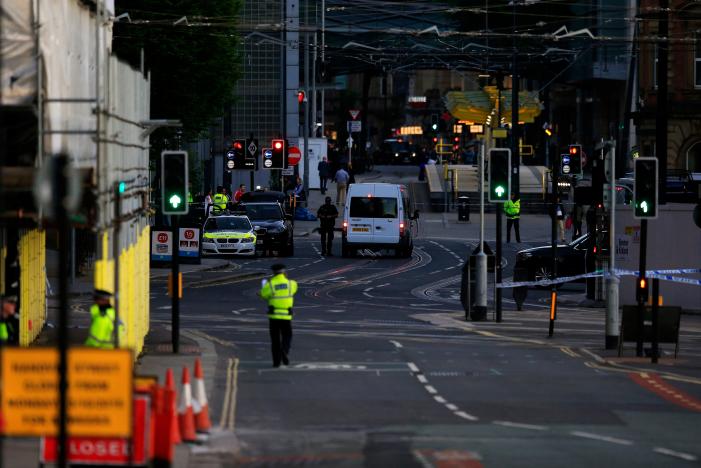
Soldiers have been deployed to key sites in Britain on Wednesday to prevent attacks after the terror threat level was raised to its highest level following a suicide bombing in Manchester that killed 22 people, including children.
Prime Minister Theresa May announced late on Tuesday that the threat level was now considered "critical", meaning an attack may be imminent.
Police had earlier named British-born Salman Abedi, 22, as the perpetrator of the bombing at the Manchester Arena indoor venue at the end of a concert by US pop singer Ariana Grande on Monday, attended by thousands of children and teenagers.
The identities of the victims were becoming known little by little. They included an eight-year-old girl, two teenage girls and a 28-year-old man. A Polish couple who had come to collect their daughters after the concert also died, Poland's foreign minister said. The daughters were safe.
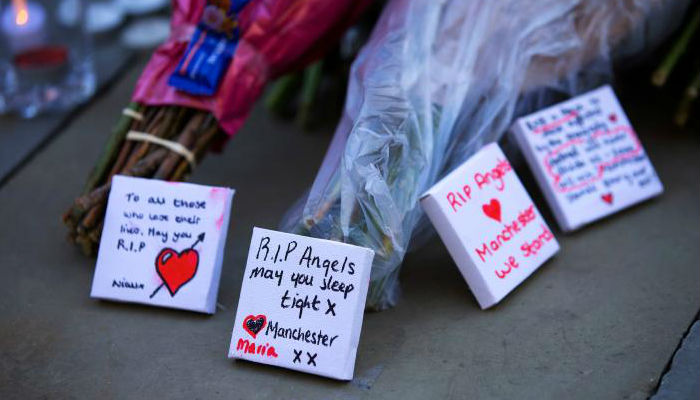
The bombing also left 59 people wounded, some with life-threatening injuries.
"Whilst some of what we are doing will be obvious to the public there is a huge amount of work happening day and night that the public will never know about," Commander Jane Connors, leading the London policing operation, said.
The Manchester attack was the deadliest in Britain since July 2005, when four suicide bombers killed 52 people in coordinated attacks on London's transport network.
US security sources, citing British intelligence officials, said Abedi was born in Manchester in 1994 to parents of Libyan origin.
British investigators were looking into whether Abedi had traveled to Libya and whether he had been in touch with Daesh there or in Syria.
The Times newspaper said Abedi was believed to have returned to Britain from Libya recently.
"ATTACK MAY BE IMMINENT"
May said it was possible a wider group was linked to the bombing, prompting the deployment of troops a little more than two weeks before a June 8 national election.
An independent body which sets the threat level recommended it be raised to "critical" from "severe" for the first time since June 2007.
"This means that their assessment is not only that an attack remains highly likely but that a further attack may be imminent," May said in a televised statement from her Downing Street Office after a meeting of the government's crisis response committee.
"Armed police officers responsible for duties such as guarding key sites will be replaced by members of the armed forces ... You might also see military personnel deployed at certain events, such as concerts and sports matches."
Britain's top anti-terrorism officer Mark Rowley said events would only go ahead when it was safe to do so and the decision to raise the threat level had been made on a "precautionary basis" due to gaps in police knowledge while the investigation continues.
He told reporters he hoped that, as has previously been the case, the level would not stay at critical for a long period.
Attacks in cities including Paris, Nice, Brussels, St Petersburg, Berlin and London have shocked Europeans already anxious over security challenges from mass immigration and pockets of domestic Islamic radicalism.