Tarar criticises Fazl, Bilawal over protests and referendum debate
Info Minister describes JUI-F's protest as a minor issue and urged the JUI-F chief to step back
Published November 27, 2026
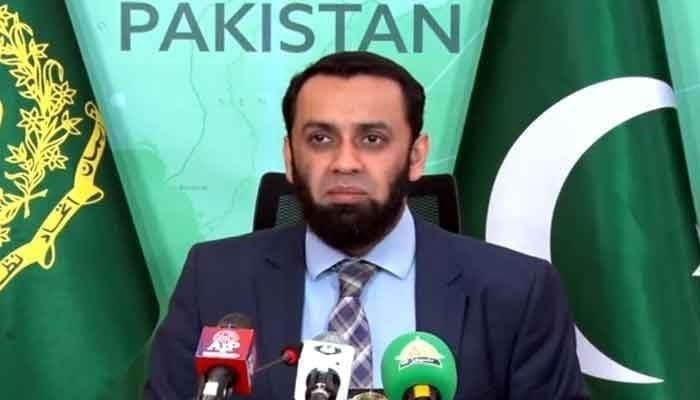
- Tarar says JUI-F chief is seeking confrontation.
- Urges Fazl to step back, stop blocking roads and find a way.
- Says Bilawal must argue his political prisoner case in a court of law.
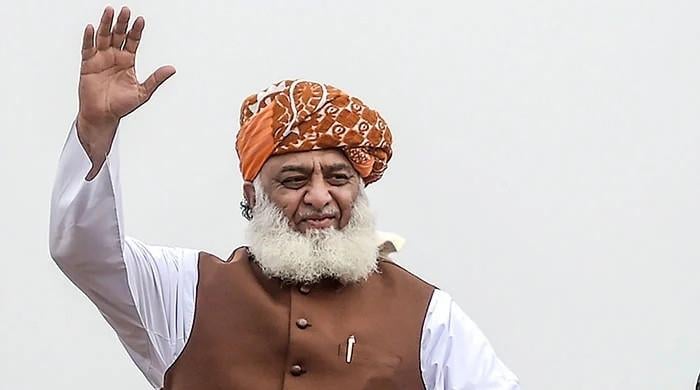
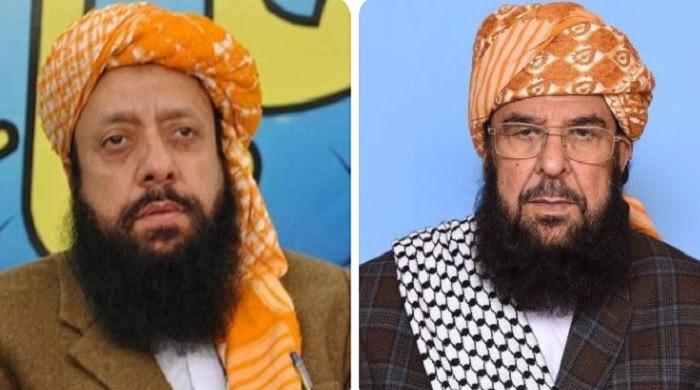
ISLAMABAD: Information Minister Attaullah Tarar has criticised Jamiat Ulema-e-Islam-Fazl (JUI-F) chief Maulana Fazlur Rehman over his party's call for protests that disrupted traffic in several cities, while also questioning Pakistan Peoples Party (PPP) Chairman Bilawal Bhutto-Zardari's opposition to a referendum on the creation of new provinces.
Speaking in a Geo News programme 'Aaj Shazeb Khanzada Kay Saath' on Thursday, Tarar downplayed the disruption caused by the JUI-F protests, urging Fazlur Rehman to avoid confrontation and find a way forward rather than block roads.
He alleged that the JUI-F chief was seeking confrontation despite efforts by members of his own party to persuade him otherwise.
Tarar also made a sharp remark about the JUI-F, likening its conduct to that of a militant organisation and questioning whether Fazlur Rehman stood with Pakistan or Afghanistan and the Taliban.
"He (Fazl) will have to decide whether he wants to stand with Pakistan or with Afghanistan and the Taliban. He is behaving like a militant group," he said.
The minister urged the JUI-F leadership to take a step back with a view to seeking new avenues.
"The maulana should step back and find a way forward. If he does not close the channels (of communication), matters can improve," he noted.
Traffic was disrupted in several cities following the JUI-F's call for protests and road closures, although most affected routes had reportedly reopened.
Tarar questions Bilawal's opposition to referendum
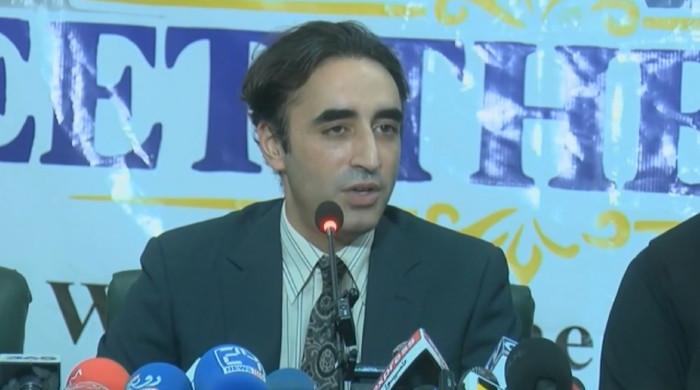
The information minister also criticised Bilawal over his opposition to holding a referendum on the creation of new provinces, arguing that the PPP chairman should not be reluctant to seek public opinion on the matter.
Tarar questioned Bilawal's reservations about a referendum and said the public should be allowed to express their views on the issue.
He also challenged Bilawal's description of PTI founder Imran Khan as a political prisoner, saying the PPP chairman should make a case in court if he believed Imran was being imprisoned for political reasons.
Tarar said Bilawal was mixing political arguments with legal matters, using political reasoning where legal arguments were required and vice versa.
The minister, however, said disagreements with the PPP over political issues did not mean relations between the two parties had broken down.
He added that if the proposal to create new provinces came before parliament, the PTI could also be consulted.
Bilawal favours parliamentary approach
Bilawal has opposed holding a referendum on the creation of new provinces, arguing that parliament could address the matter through constitutional and democratic procedures.
Speaking in Multan on November 26, the PPP chairman described a referendum on new provinces as potentially the most controversial in Pakistan's history and said the matter could be resolved through parliament without a public vote.
He also called for political consensus and urged opposition parties to participate in the electoral reforms process.
Earlier, Bilawal had described PTI founder Imran Khan as a political prisoner and said he wanted to see a day when no former prime minister was behind bars after leaving office.
He also called for a political reset, urging parties to work together to restore public confidence in the political system.
No formal referendum proposal initiated
The proposal for a referendum on new provinces has triggered disagreement within the ruling coalition, with the PPP opposing the idea in its current form and calling for the issue to be addressed through parliament and constitutional procedures.
The News reported on November 22 that no formal government proposal for a referendum on new provinces had been initiated in the relevant ministries or the Prime Minister's Office.
The Election Commission of Pakistan had also not been formally notified of any referendum plan, according to a separate report published by the newspaper.